Commercial Construction in Calgary with Towns Construction

The Next Step in Building for YOUR Business
Commercial construction projects require experienced teams who understand local building codes, business needs, and project timelines. Towns Construction delivers commercial building services across Calgary, handling everything from retail spaces and office buildings to warehouses and multi-tenant developments. The company focuses on quality workmanship, clear communication, and keeping projects on schedule and within budget.
Building a new commercial space or expanding an existing one represents a significant investment for any business. The right construction partner makes the difference between a smooth project and costly delays. Commercial construction in Calgary supports economic growth by creating functional spaces where businesses can operate efficiently and serve their customers effectively.
This guide covers what makes a commercial construction project successful in Calgary, from initial planning through final completion. It examines the services Towns Construction offers, their project management approach, and how they compare to other contractors in the area. Business owners and property developers will find practical information about building types, processes, and what to expect when working with a commercial general contractor.
Overview of Commercial Construction in Calgary
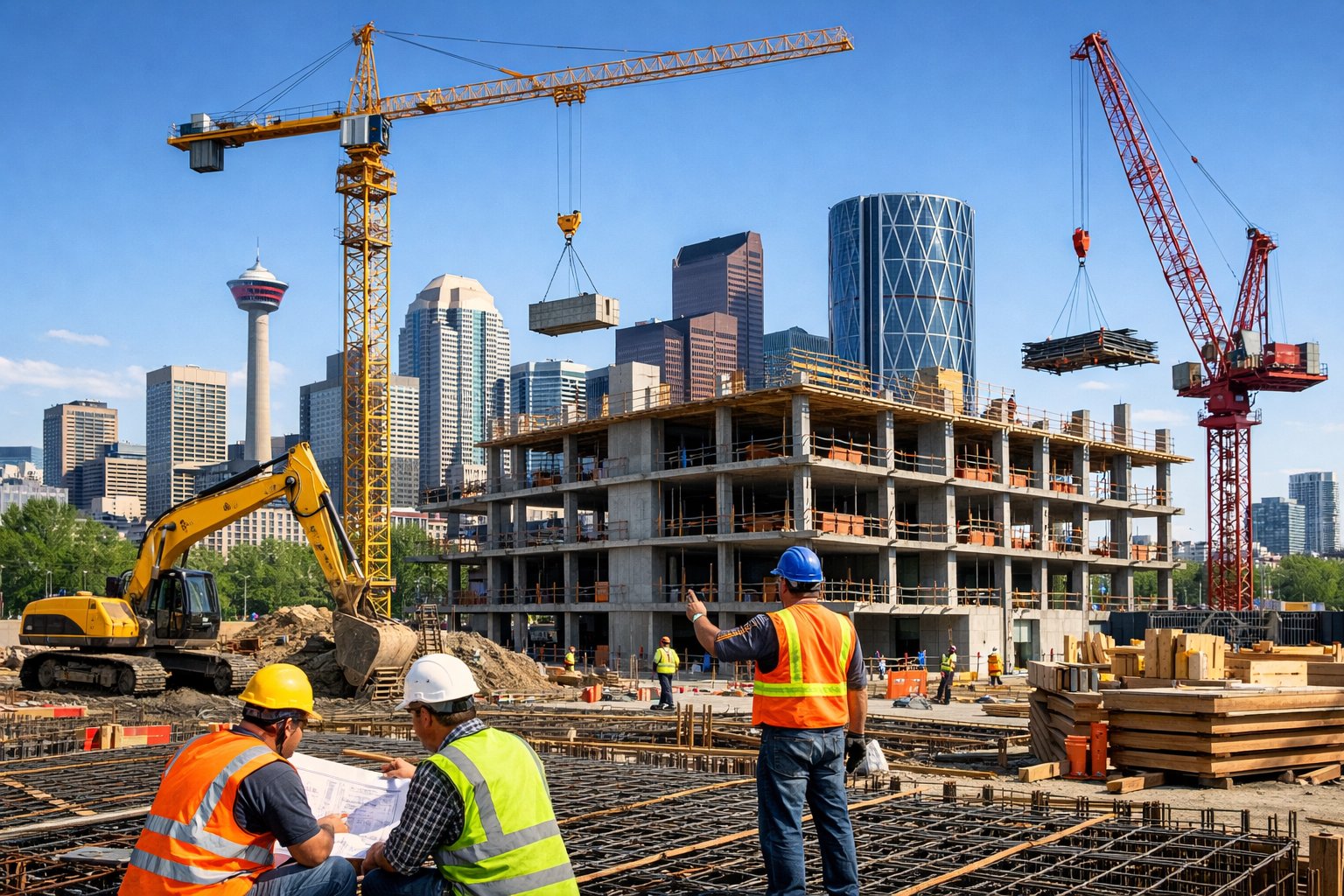
Calgary’s commercial construction sector continues to expand with diverse project types and evolving industry practices. The market serves businesses ranging from small retail operations to large-scale industrial facilities, with demand shaped by economic growth and changing business needs.
Market Landscape and Demand
Calgary’s commercial construction boom continues despite recent challenges including skilled labour shortages and supply chain issues. The city’s skyline keeps evolving as businesses invest in new facilities to support expansion and operational efficiency.
The construction industry in Calgary has demonstrated resilience through economic fluctuations. Commercial contracting services remain in high demand as companies seek professional spaces that enhance productivity and serve customers effectively.
Business growth drives much of the construction activity. Companies need facilities that accommodate their operations while meeting current building codes and safety standards.
Types of Commercial Construction Projects
Commercial construction projects in Calgary span multiple categories. Office buildings form a significant portion of the work, providing professional environments for service-based businesses and corporate headquarters.
Retail spaces represent another major segment. These projects range from standalone shops to large shopping centers that require careful design for customer flow and product display.
Industrial facilities include warehouses and manufacturing spaces. Multi-tenant rental units and mixed-use developments combine residential and commercial elements in single structures.
Other common project types include restaurants, medical offices, educational facilities, and entertainment venues. Each category has specific requirements for layout, utilities, and accessibility features.
Key Trends and Industry Developments
Commercial construction in Alberta is adopting modular and off-site construction methods. This approach reduces on-site construction time and allows better quality control in controlled environments.
Digital tools have transformed project management and communication. Building information modeling and project tracking software help teams coordinate work and identify potential issues before they cause delays.
Local sourcing has gained importance for materials and labour. This practice helps control costs and ensures faster delivery times for construction components.
Smart building technology integration is becoming standard in new commercial projects. These systems manage lighting, heating, and security while reducing operational costs for building owners.
Why Choose Towns Construction for Your Project

Towns Construction brings years of hands-on experience and a reputation for delivering quality results. The company maintains strong industry certifications and focuses on keeping clients informed throughout every phase of construction.
Company Background and Experience
Shane Towns founded the company in 2018 with a vision to provide reliable construction solutions for both commercial and residential clients. Towns Construction has grown from a small operation into a trusted name in the construction industry over seven years.
The team handles projects ranging from retail build-outs to large warehouse developments. Their experience covers multi-tenant rental units, commercial spaces, and various business facilities. This diverse project portfolio demonstrates their ability to adapt to different commercial construction requirements.
Towns Construction earned Baeumler Approved status and RenovationFind Certification. The company also maintains BBB Accreditation, showing their commitment to upholding business standards.
Commitment to Quality and Craftsmanship
The construction team follows detailed planning processes to meet timelines and budgets without delays. They begin each project with a thorough consultation to understand specific business needs. This includes assessing factors like foot traffic patterns for retail spaces or workflow efficiency for warehouses.
Commercial construction services include handling permits, structural work, and final finishes. The team manages all aspects of construction management from initial design through completion. They build structures designed for durability and long-term value rather than quick turnarounds.
Client reviews consistently mention the team’s expert knowledge and attention to detail. The company delivers spaces that function as working business environments, not just aesthetic showpieces.
Client-Centric Approach
Towns Construction keeps communication channels open throughout the construction process. Project managers provide regular updates and remain available to address questions or concerns as they arise. This transparency helps clients stay informed about progress and any adjustments needed.
Customer testimonials highlight the company’s professionalism, honesty, and dedication to meeting project goals. The team works to understand how each business operates and what the space needs to accomplish. They adapt their construction management approach based on whether clients need flexible rental layouts, high-traffic retail configurations, or specialized warehouse setups.
The consultation process covers specific requirements before breaking ground. This planning phase helps identify potential challenges early and allows for solutions that keep projects on schedule.
Comprehensive Commercial Construction Services
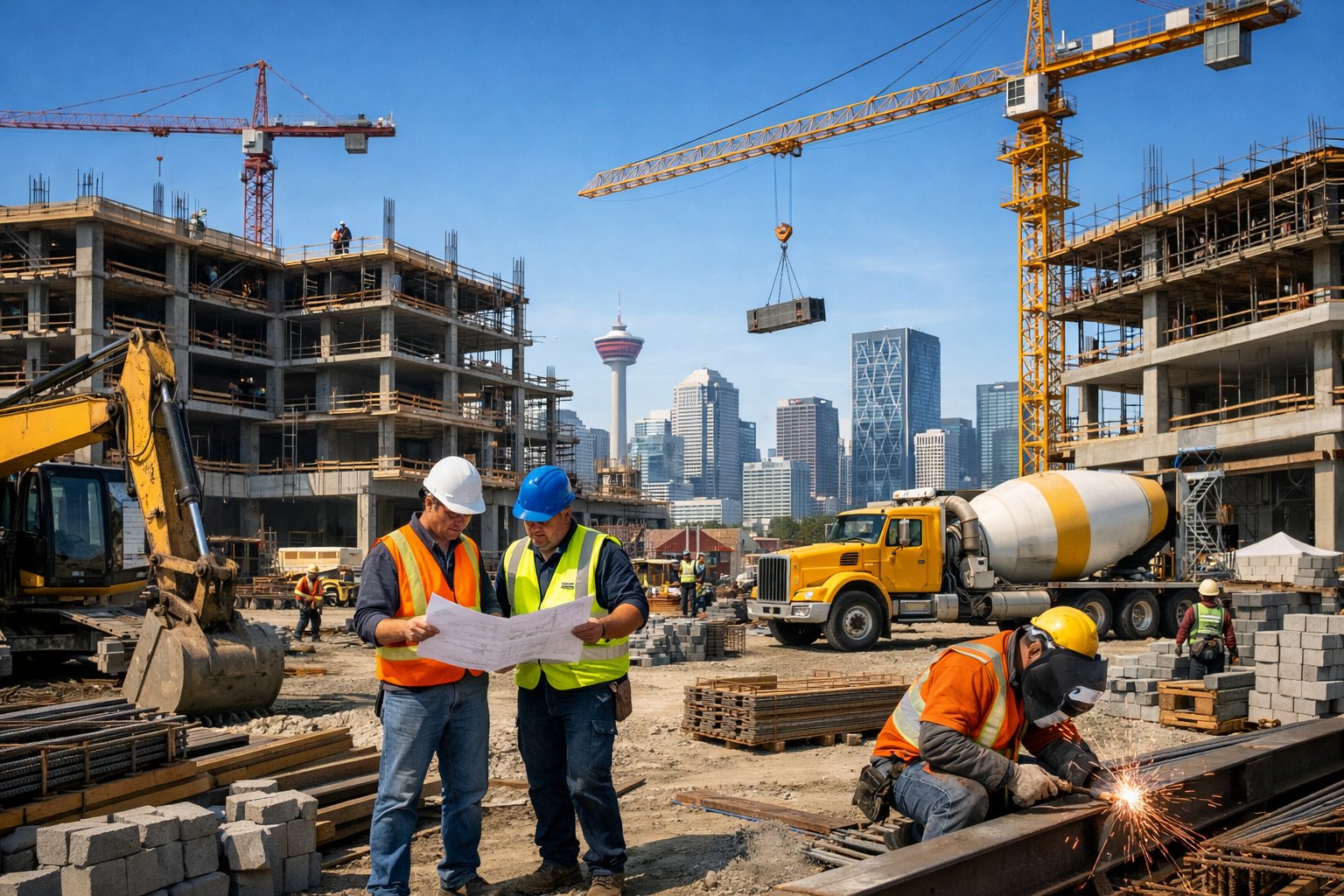
Towns Construction handles projects from ground-up development to interior upgrades, delivering solutions for retail spaces, rental properties, and industrial facilities. Each project receives dedicated project management to ensure timelines and budgets stay on track.
New Builds and Custom Developments
New commercial buildings require careful planning from the foundation to the final walkthrough. Towns Construction manages every phase of commercial construction projects, including site preparation, permitting, structural work, and finishing touches.
The team works with business owners to design spaces that match operational needs. A retail store needs different layouts than a warehouse or office building. Custom developments start with detailed consultations to understand traffic flow, storage requirements, and growth plans.
Multi-tenant rental units require specific considerations for utilities, access points, and shared spaces. Warehouses need clear spans, loading docks, and electrical capacity for equipment. Each building type gets designed with its intended use as the priority.
Renovations and Remodels
Existing commercial spaces often need updates to remain competitive or accommodate changing business needs. Renovation projects range from cosmetic updates to complete interior overhauls that change the building’s function entirely.
Commercial construction services for renovations include structural modifications, mechanical system upgrades, and aesthetic improvements. These projects often happen while businesses remain operational, requiring coordination to minimize disruption.
Older buildings may need code compliance updates during renovation work. This includes electrical systems, fire safety features, and accessibility improvements. The construction team handles inspections and permits to keep projects moving forward without unexpected delays.
Tenant Improvements and Fit-Outs
Tenant improvements transform empty commercial space into functional business environments. These projects typically involve interior construction within existing buildings, creating offices, retail stores, or service locations.
Fit-out work includes partition walls, flooring, lighting, HVAC adjustments, and specialized features like reception areas or display fixtures. The scope depends on whether the space starts as a shell or requires demolition of previous improvements.
Project management becomes critical when lease agreements include strict timelines for opening. Construction teams coordinate with landlords, architects, and trade contractors to complete work efficiently. Proper planning prevents delays that could push back business launch dates or result in lost revenue.
Project Management and Process

Towns Construction coordinates every phase of commercial construction through structured project management, from initial site assessments to final inspections. Each project follows a systematic approach that addresses permitting requirements, maintains budget controls, and keeps work progressing according to established timelines.
Consultation and Planning
The planning phase begins with a detailed consultation to identify specific business requirements and site conditions. Towns Construction evaluates factors like intended use, traffic patterns, utility access, and future expansion possibilities during these initial meetings.
Project managers work with clients to develop accurate scope documents that outline materials, labor requirements, and construction methods. This planning stage includes site surveys, soil testing when needed, and assessments of existing infrastructure. The team creates detailed drawings and specifications that guide all subsequent work phases.
Early planning identifies potential challenges before construction begins. Project managers coordinate with engineers, architects, and trade specialists to address structural requirements, mechanical systems, and interior layouts. This collaborative approach reduces changes during construction and helps maintain original cost estimates.
Permitting and Compliance
Commercial construction projects require multiple permits and must meet building codes, zoning regulations, and safety standards. Towns Construction handles permit applications and coordinates inspections throughout the construction process.
The permitting process includes submitting plans to municipal authorities, scheduling required inspections, and ensuring all work meets current building codes. Project managers track permit status and coordinate inspection schedules to prevent delays.
Compliance extends beyond initial permits to include ongoing safety protocols and quality standards. Regular site inspections verify that work meets specifications and follows approved plans. Documentation of all inspections and approvals creates a complete record for building occupancy.
Timeline and Budget Management
Construction project management requires continuous monitoring of schedules and costs to keep work on track. Project managers create detailed timelines that sequence tasks efficiently and identify dependencies between different work phases.
Budget tracking compares actual costs against estimates throughout construction. Regular cost reports identify variances early, allowing for adjustments before they impact the overall budget. Material procurement follows a schedule that balances cost efficiency with construction needs.
Project managers maintain daily communication with trade contractors and suppliers to address issues as they arise. Weather delays, material shortages, or unexpected site conditions require quick decisions to minimize schedule impacts. Progress meetings keep all parties informed and aligned on project status and upcoming milestones.
Specialized Services and Solutions

Preparing a site for construction involves more than breaking ground. Professional teams handle everything from tearing down existing structures to cleaning up hazardous materials and creating attractive outdoor spaces that complete the project.
Demolition and Site Preparation
Demolition work requires precision and planning to clear existing structures safely. Commercial projects often need selective demolition to remove specific walls or features while keeping the rest of the building intact. Heavy equipment operators break down concrete, remove steel beams, and haul away debris according to strict timelines.
Site preparation includes grading the land to proper elevations and compacting soil to support new foundations. Crews install temporary fencing and erosion controls to protect neighbouring properties. Underground utility lines need careful mapping before excavation begins. Commercial construction services coordinate these early phases to prevent costly delays later in the project.
Remediation and Safety Practices
Older buildings often contain asbestos, lead paint, or contaminated soil that requires specialized removal. Certified technicians test materials and create containment zones to prevent hazardous substances from spreading during demolition. They wear protective equipment and use air filtration systems to maintain safe conditions for all workers on site.
Environmental remediation addresses soil contamination from previous industrial uses or fuel spills. Contractors remove contaminated earth and replace it with clean fill material. Safety protocols include daily inspections of scaffolding, fall protection systems, and electrical installations. Project managers track safety metrics and hold regular training sessions to maintain compliance with occupational health standards.
Landscaping and Final Touches
Exterior work transforms raw construction sites into professional business environments. Landscaping teams install irrigation systems, plant trees and shrubs, and lay sod or seed for lawn areas. Parking lots receive fresh asphalt paving with clearly marked spaces and accessible routes.
Final touches include installing exterior lighting fixtures, signage brackets, and decorative elements that match the building’s design. Concrete sidewalks connect parking areas to entrances with proper drainage slopes. Retaining walls manage elevation changes while adding visual interest to the property. These finishing details create positive first impressions for customers and employees arriving at the new facility.
Comparing Top Commercial Contractors in Calgary
Selecting a commercial contractor requires careful evaluation of experience, project management capabilities, and track record. Different contractors bring unique strengths to projects, from specialized services to communication approaches that can significantly impact project outcomes.
Towns Construction vs. Sky Blue Construction
Towns Construction operates with a team led by Shane Towns, focusing on clear communication and careful project coordination. They work on retail spaces, multi-tenant buildings, warehouses, and offices. The company holds Baeumler Approved Builder status and maintains business hours from 8 a.m. to 11 p.m. daily, providing extended availability for client consultations.
Sky Blue Construction positions itself as a commercial construction contractor emphasizing on-time project delivery. The company provides general contracting services for business construction needs.
Towns Construction began operations six years ago and has built a reputation through consistent positive feedback. Their approach involves assessing client goals carefully before developing construction plans. Project managers maintain communication throughout builds to minimize business disruptions.
The companies differ in their service emphasis and operational models. Towns Construction’s extended hours and personalized assessment process contrast with other contractors who follow standard business schedules.
Evaluating Local Expertise and Reputation
Local expertise matters when navigating permit requirements and municipal regulations. Commercial contractors in Calgary must understand zoning codes and inspection processes specific to the area.
Reputation develops through completed projects and client feedback. Towns Construction has received ratings that reflect attention to client needs and work quality. Customer reviews mention punctuality, communication, and meeting tight deadlines.
Experience with specific project types provides insight into contractor capabilities. Some contractors specialize in office renovations while others handle industrial buildings or retail spaces. Towns Construction has worked across multiple commercial property types including warehouses and multi-tenant buildings.
Years in business indicate stability but don’t guarantee quality. A contractor with six years of operation may deliver better results than one with longer tenure depending on team expertise and project management systems.
Selecting the Right Partner for Your Business
Project requirements determine which contractor fits best. Business owners should identify whether they need new construction, renovations, or tenant improvements before evaluating contractors.
Communication style affects project success. Choosing commercial contractors requires assessing how contractors handle updates, changes, and problem-solving during construction. Some contractors assign dedicated project managers as single points of contact.
Budget and timeline constraints narrow contractor options. Towns Construction completed projects under two-week timelines according to client feedback, demonstrating flexibility for urgent needs. Request detailed proposals that outline costs, schedules, and payment structures.
Verify credentials and insurance coverage before signing contracts. Ask for references from similar projects and contact previous clients about their experiences. Review portfolios showing completed work that matches your project type and scale.


Post Comment