Industrial Gas Line Repairs

Safe Natural Gas Contracting for Facilities
Industrial gas lines power critical operations across manufacturing plants, refineries, and heavy industry facilities. When these systems fail, the consequences extend far beyond simple inconvenience. Gas line failures can halt production, create safety hazards, and result in costly regulatory violations that impact entire operations.
Modern industrial gas line repair techniques allow facilities to fix leaks and damage without shutting down operations, using advanced carbon fiber solutions and specialized equipment. Emergency on-line gas line repair methods have revolutionized how industrial facilities handle critical repairs. These approaches minimize downtime while maintaining safety standards that protect workers and equipment.
Understanding proper repair protocols, safety measures, and maintenance schedules helps facility managers prevent minor issues from becoming major emergencies. Industrial gas systems require specialized knowledge and equipment that differs significantly from residential or light commercial applications.
The stakes are higher, the pressures greater, and the margin for error much smaller in industrial environments.
Understanding Industrial Gas Line Repairs
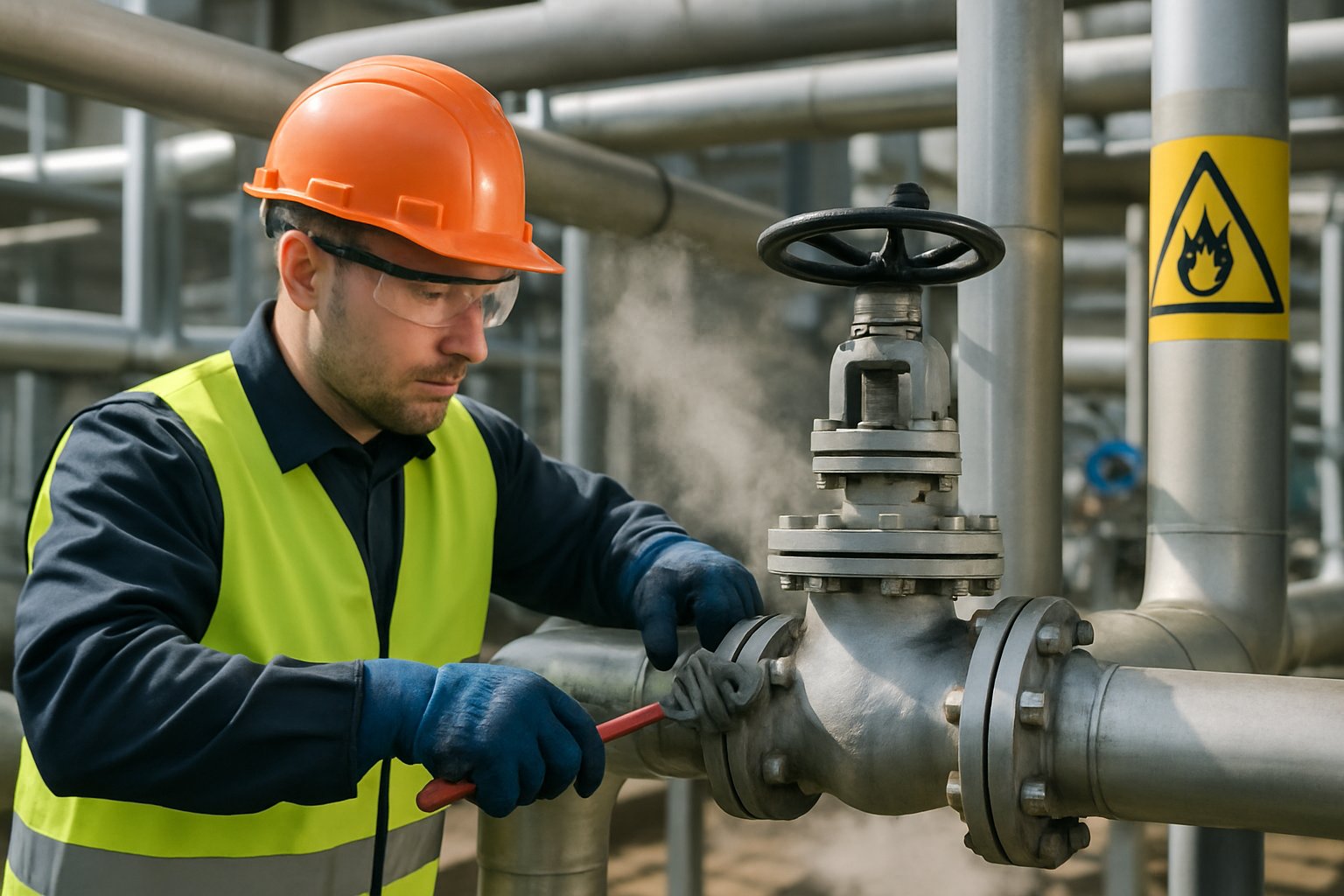
Industrial gas line systems transport various gases under high pressure for manufacturing, heating, and processing operations. These systems require specialized knowledge of different line types, failure patterns, and warning signs to maintain safe operations.
Types of Industrial Gas Lines
Industrial facilities use several types of gas lines depending on their specific needs and applications. Natural gas lines supply fuel for heating systems, boilers, and manufacturing processes. These lines typically operate at pressures ranging from 2 to 60 PSI for building distribution systems.
Compressed air lines distribute pneumatic power throughout facilities. They operate at higher pressures, often between 90 to 150 PSI. Process gas lines carry specialized gases like nitrogen, oxygen, or hydrogen for manufacturing operations.
High-pressure transmission lines connect facilities to main distribution networks. These lines can operate at pressures exceeding 1,000 PSI. Each type requires different materials and installation methods.
Pipeline materials include steel, copper, and specialized alloys. Steel pipes handle high-pressure applications best. Copper works well for lower-pressure natural gas distribution within buildings.
Common Causes of Gas Line Failures
Corrosion represents the leading cause of industrial gas line failures. External corrosion occurs when moisture and soil chemicals attack buried pipes. Internal corrosion happens when gas contaminants react with pipe walls.
Mechanical damage from construction equipment or ground movement creates immediate failure risks. A pinhole leak in high-pressure lines can cost tens of thousands of dollars annually in wasted gas.
Poor installation practices cause long-term problems. Inadequate joint sealing, incorrect pipe sizing, or improper support systems lead to premature failures. Temperature changes cause pipe expansion and contraction that stresses poorly designed systems.
Age-related deterioration affects older industrial facilities most severely. Pipes installed decades ago may not meet current safety standards. Material fatigue develops over time from pressure cycling and vibration.
Signs of Gas Line Issues
Unusual odors provide the most obvious warning sign of gas line problems. Natural gas contains added odorants that smell like rotten eggs. Any sulfur-like smell near gas lines requires immediate attention.
Hissing or whistling sounds indicate gas escaping under pressure. These sounds often occur near pipe joints, valves, or damaged sections. Pressure drops in gas systems suggest leaks somewhere in the distribution network.
Visual signs include rust, corrosion, or moisture on exposed piping. Dead vegetation near buried gas lines may indicate underground leaks. Unexplained increases in gas utility costs often point to system leaks.
Equipment performance problems can signal gas supply issues. Burners that flame improperly or heating systems that cycle frequently may indicate insufficient gas pressure. Pressure gauges showing inconsistent readings warrant immediate investigation.
Regular inspections help identify problems before they become dangerous. Professional leak detection equipment can find small leaks that human senses cannot detect.
Safety Protocols for Gas Line Repairs
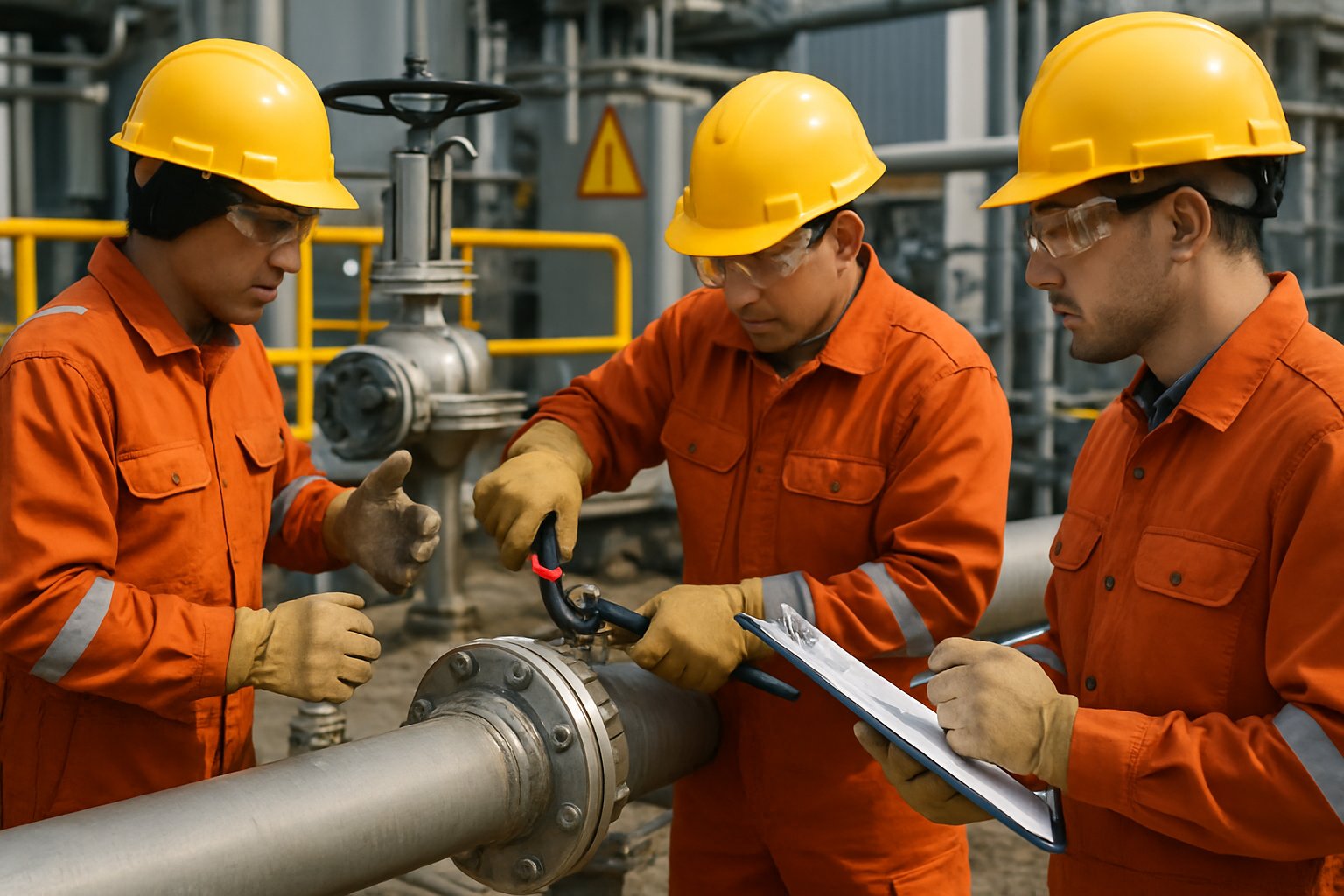
Industrial gas line repairs require strict adherence to established safety protocols to prevent dangerous incidents. Proper leak detection, protective measures, and regulatory compliance form the foundation of safe repair operations.
Gas Leak Detection Procedures
Technicians must follow systematic detection methods before beginning any repair work. Visual inspection comes first, looking for damaged pipe sections, corrosion, or soil disturbance around gas lines.
Electronic gas detectors provide accurate readings of gas concentrations in the air. These devices can detect even small amounts of natural gas or propane that human senses might miss.
The soap bubble test remains a reliable detection method. Technicians apply soapy water to suspected leak areas and watch for bubbles that indicate escaping gas.
Detection Equipment Requirements:
- Calibrated electronic gas detectors
- Soap solution and brush
- Pressure testing equipment
- Personal monitoring devices
Workers should test all equipment before each job. Gas line safety depends on reliable detection tools that function properly when needed.
Personnel must establish safety zones around detected leaks. The minimum safe distance varies based on gas pressure and leak size, but typically ranges from 25 to 100 feet.
Protective Measures During Repairs
Personal protective equipment serves as the first line of defense during gas line repairs. Hard hats, safety glasses, and steel-toed boots are mandatory for all workers on site.
Respiratory protection becomes critical when working in confined spaces or areas with high gas concentrations. Self-contained breathing apparatus or supplied-air respirators may be required.
Essential PPE Checklist:
- Flame-resistant clothing
- Non-sparking tools only
- Grounding straps for equipment
- Emergency escape respirators
All ignition sources must be eliminated within the work area. This includes smoking materials, running engines, electrical equipment, and static electricity sources.
Proper ventilation helps disperse gas accumulations. Fans and blowers can move fresh air through work areas, but only explosion-proof equipment is acceptable.
Emergency shutdown procedures must be clearly defined. Every team member should know how to quickly stop gas flow and evacuate the area if conditions become dangerous.
Compliance With Industry Standards
Federal regulations govern industrial gas line repairs through agencies like OSHA and PHMSA. These safety protocols establish minimum requirements for worker protection and operational procedures.
State and local codes often impose additional requirements beyond federal standards. Companies must research all applicable regulations before starting repair projects.
Key Regulatory Areas:
- Worker training and certification
- Equipment inspection schedules
- Incident reporting procedures
- Documentation requirements
Regular safety audits verify compliance with established standards. Internal reviews help identify gaps before regulatory inspections occur.
Training programs must cover both general safety principles and specific repair procedures. Workers need certification updates as regulations change and new techniques develop.
Documentation proves compliance during inspections and investigations. Detailed records of training, equipment maintenance, and safety procedures protect companies from liability issues.
Emergency Gas Line Repair in Industrial Settings
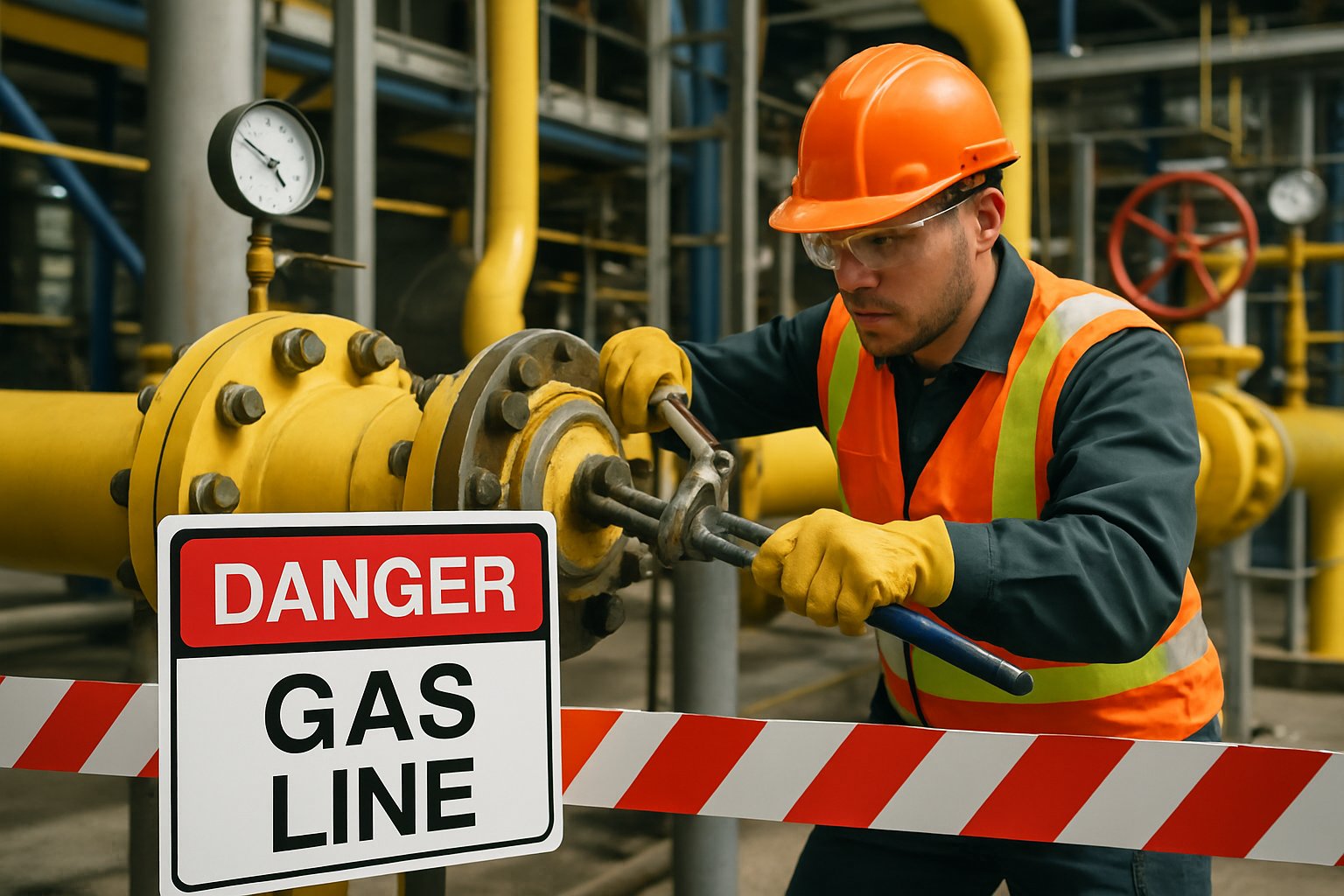
Industrial facilities face unique challenges when gas line emergencies occur, requiring immediate response protocols and specialized repair techniques. Quick identification of leak severity and deployment of appropriate repair methods can prevent catastrophic incidents while maintaining operational continuity.
When to Call Emergency Services
Industrial operators must recognize critical warning signs that demand immediate professional intervention. Gas leaks pose significant fire hazards and health risks, making rapid response essential for worker safety.
Unusual hissing sounds from gas lines indicate potential pressure loss or rupture. System pressure drops without explanation often signal active leaks requiring urgent attention.
Visible corrosion or damage to gas infrastructure demands immediate assessment. The distinctive sulfur odor resembling rotten eggs signals gas escape in systems with added odourants.
Personnel should evacuate affected areas immediately upon confirming leaks. Facilities must secure the site and eliminate potential ignition sources before emergency repair services arrive.
Professional leak detection equipment provides accurate location identification. Ultrasonic testers, infrared cameras, and pressure decay tests pinpoint leak severity and extent.
Rapid Response Techniques
Emergency on-line gas line repair utilizes advanced techniques that maintain system operation during repairs. Carbon fiber composite wraps reinforce and seal leaks without requiring system shutdown.
These repairs can be performed while systems remain pressurized, eliminating costly downtime. The technology provides permanent solutions without hot work or excavation requirements.
Mechanical clamps and sleeves offer interim solutions for certain leak types. These devices provide quick seals until permanent repairs can be implemented.
Specialized repair teams mobilize with equipment designed for industrial environments. 24/7 emergency repair services ensure immediate response regardless of timing.
Professional technicians follow strict safety protocols during emergency repairs. They isolate affected sections when possible while maintaining gas flow to unaffected areas.
Minimizing Downtime and Risk
Modern repair methods prioritize operational continuity while ensuring safety compliance. On-line pipe repair techniques allow facilities to maintain production during emergency repairs.
Advanced carbon fiber solutions provide high-strength, corrosion-resistant repairs that extend system life. These materials deliver lasting performance without requiring system depressurization.
Emergency repair protocols include comprehensive pressure testing and leak verification. Documentation ensures regulatory compliance and supports future maintenance planning.
Preventive measures reduce emergency frequency through regular inspection schedules. Early detection of corrosion, minor leaks, and pressure anomalies prevents escalation to emergency situations.
Facilities benefit from establishing relationships with qualified repair specialists before emergencies occur. Pre-approved contractors with industrial experience respond faster and understand facility-specific requirements.
Post-repair monitoring systems track performance and detect potential issues. These systems provide early warning capabilities that prevent future emergency situations.
Routine Maintenance and Commercial Gas Line Service
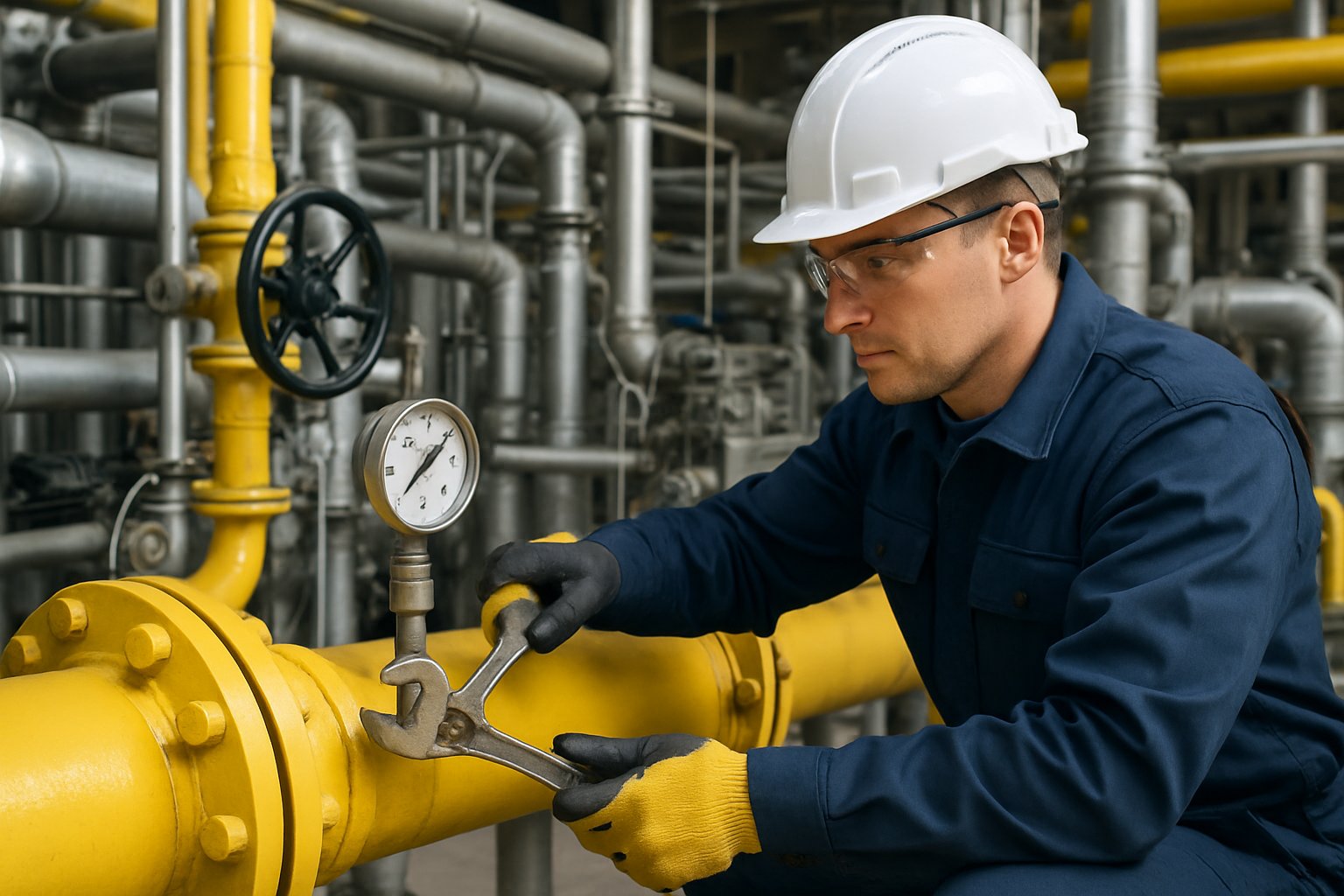
Regular maintenance programs prevent costly emergency repairs and ensure gas systems operate safely. Proper inspection schedules and detailed documentation form the foundation of effective commercial gas line service management.
Preventative Maintenance Best Practices
Commercial gas line services include pressure testing, leak detection, and corrosion prevention measures. These activities should occur at regular intervals based on system age and usage patterns.
Technicians perform visual inspections of exposed piping for signs of damage or wear. They check connections, fittings, and joints for loose components that could develop into leaks.
Pressure testing verifies system integrity under normal operating conditions. This process identifies weak points before they fail during regular use.
Corrosion protection measures include applying protective coatings and installing cathodic protection systems where needed. Underground lines require special attention due to soil conditions and moisture exposure.
Gas detection equipment calibration ensures monitoring systems function properly. Faulty detectors create dangerous situations by failing to alert personnel to gas leaks.
Scheduled Inspections
Property owners must maintain gas lines on their side of the meter according to regulatory requirements. Inspection frequency depends on system complexity and local codes.
Monthly visual checks identify obvious problems like damaged pipes or suspicious odors. Quarterly inspections involve more detailed examinations of system components and safety equipment.
Annual comprehensive assessments include pressure testing and leak detection surveys. Professional technicians use specialized equipment to locate problems invisible during routine checks.
High-use facilities require more frequent inspections than low-demand systems. Industrial operations may need weekly or even daily monitoring depending on gas consumption levels.
Emergency response procedures must be tested regularly to ensure personnel know proper shutdown and evacuation protocols.
Documentation and Record-Keeping
Detailed maintenance records track system performance and compliance with safety regulations. These documents prove due diligence during insurance claims or regulatory audits.
Inspection reports document findings, repairs made, and recommendations for future work. Photographs provide visual evidence of conditions at the time of inspection.
| Record Type | Retention Period | Key Information |
|---|---|---|
| Pressure Tests | 10 years | Test pressure, duration, results |
| Leak Surveys | 5 years | Detection method, locations checked |
| Repair Records | Permanent | Work performed, parts replaced |
Maintenance schedules track when inspections are due and completed. Digital systems send automatic reminders to prevent missed appointments.
Regulatory compliance documentation demonstrates adherence to local codes and standards. These records become critical during permit renewals or property transfers.
Service provider certifications verify that qualified technicians performed all work. Licensed professionals must complete gas line repair activities according to industry standards.
Frequently Asked Questions

Industrial gas line repair questions often focus on safety protocols, inspection schedules, and professional qualifications. Understanding repair timelines and operational impacts helps facility managers make informed decisions about maintenance and emergency response procedures.
What are the common signs that an industrial gas line requires repair or maintenance?
Gas odor detection serves as the primary warning sign for industrial gas line problems. A distinctive sulfur or rotten egg smell indicates a natural gas leak and requires immediate attention from qualified technicians.
Visual inspections reveal additional warning signs. Dead vegetation near gas lines, corrosion on exposed pipes, and visible cracks indicate potential system failures.
Performance issues with gas-powered equipment signal underlying problems. Reduced heating efficiency, irregular flame patterns, and higher than normal gas consumption suggest line integrity issues.
Pressure testing methods help identify leaks before they become visible. Regular monitoring of gas pressure levels detects system weaknesses early.
Unusual sounds near gas lines warrant investigation. Hissing or whistling noises often indicate escaping gas through damaged pipes or faulty connections.
How often should industrial gas lines be inspected to prevent potential hazards?
Inspection frequency depends on system complexity and operational demands. Large industrial facilities typically require quarterly or bi-annual inspections to maintain safety standards.
Regular inspection schedules help identify problems before they escalate into costly repairs. Establishing consistent intervals ensures compliance with safety regulations and reduces liability risks.
High-pressure systems need more frequent monitoring. Monthly visual inspections combined with annual comprehensive evaluations provide adequate coverage for most industrial applications.
Environmental factors influence inspection timing. Facilities exposed to corrosive conditions or extreme temperatures may require more frequent assessments to prevent system failures.
Documentation requirements vary by jurisdiction. Most industrial operations maintain inspection records for regulatory compliance and insurance purposes.
What are the safety protocols one must follow when a gas line leak is suspected in an industrial setting?
Immediate evacuation of personnel from the affected area takes priority when gas leaks are detected. Emergency protocols should establish clear evacuation routes and assembly points for all workers.
Electrical equipment shutdown prevents ignition sources near suspected leaks. Turn off all electrical devices, avoid using switches, and eliminate potential spark sources in the vicinity.
Ventilation systems help disperse accumulated gas safely. Open doors and windows when possible to prevent gas concentration buildup in enclosed spaces.
Emergency services notification activates professional response teams. Contact local fire departments and gas utility companies immediately after ensuring personnel safety.
Work area isolation restricts access to authorized personnel only. Establish perimeters around suspected leak areas until professional technicians complete repairs and safety clearance.
What qualifications should a professional have to carry out repairs on industrial gas lines?
Licensed technicians possess the necessary credentials for safe gas line repairs. State licensing requirements ensure professionals understand local regulations and safety standards for industrial applications.
Professional certifications demonstrate ongoing education and skill development. Industry certifications verify technicians stay current with evolving technologies and repair methods.
Training programs cover specialized equipment and procedures. Certified professionals complete rigorous coursework in gas line installation, repair techniques, and emergency response protocols.
Insurance requirements protect facility owners from liability. Licensed contractors carry appropriate coverage for industrial gas line work and potential damages.
Experience with industrial systems matters for complex repairs. Technicians familiar with high-pressure systems and commercial equipment provide more reliable service than general contractors.
Can industrial gas line repairs be conducted during regular operations, or is a shutdown necessary?
Shutdown requirements depend on repair location and system design. Major repairs to main supply lines typically require complete system isolation for worker safety and effective repairs.
On-line repair techniques allow some maintenance without full shutdowns. Specialized equipment enables repairs on pressurized systems while maintaining partial operations.
Risk assessment determines operational status during repairs. Facility managers evaluate potential hazards, repair complexity, and safety protocols before deciding on shutdown procedures.
Isolation valves enable sectional shutdowns for targeted repairs. Well-designed systems allow technicians to isolate specific areas while maintaining service to unaffected operations.
Emergency repairs often require immediate shutdowns regardless of operational impact. Safety considerations override production concerns when gas leaks pose immediate hazards to personnel or equipment.
What is the typical timeframe for completing repair work on an industrial gas line?
Repair duration varies based on damage extent and system complexity. Minor leak repairs may take several hours, while major line replacements can require multiple days.
Material availability affects project timelines. Standard pipe sizes and fittings allow faster completion than specialized components requiring custom fabrication or special ordering.
Permit requirements can extend repair schedules. Regulatory approvals for major repairs add time to project completion but ensure compliance with safety standards.
Weather conditions influence outdoor repair work. Extreme temperatures, precipitation, and wind affect technician productivity and equipment performance during repairs.
System testing adds time after repair completion. Pressure testing, leak detection, and safety inspections ensure repairs meet industry standards before returning systems to service.
Gas Line Repair Company in Ontario
ProLogic Comfort Solutions provides gas line repairs in Southern Ontario from Oakville to Norfolk County.


Post Comment