Work Boots are Hard on Feet

Why Work Boots are Hard on Your Feet:
Key Causes and Solutions
If you’ve ever come home after a long workday with aching feet, you’re definitely not alone. Work boots are supposed to protect you, but honestly, they can sometimes make things worse by putting pressure on sensitive spots, leading to pain and discomfort.
Many folks feel tightness, heat, and even deal with long-term issues because of how these boots fit and just how heavy they get after a while.
Your boots might make your feet sweat more, cramp your toes, or just leave your arches and heels throbbing after hours on your feet. These problems crop up because work boots are built for toughness, not for flexibility or comfort—especially when you’re first breaking them in.
Studies keep pointing out that heaviness and stiff materials are common complaints, with toes and heels catching the brunt of it.
Understanding the Purpose of Work Boots

Work boots exist to give your feet strong support and protection. They help lower your risk of injury, keep you a little more comfortable during long shifts, and shield you around dangerous equipment.
Why Workers Need Protective Footwear
On the job, you face all sorts of risks—falling objects, sharp tools, slippery spots. Safety boots help cut down your chances of foot injuries like cuts, punctures, and broken bones. Toe protection really matters if you’re anywhere near heavy machinery or moving parts that could crush your toes.
Foot protection isn’t just about hard shells. Fit, slip-resistance, and waterproofing all matter too. I’ve seen research that says uncomfortable or badly fitting boots actually boost muscle strain and make injuries more likely over time—so you end up with sore, tired feet (more details).
Key Types of Safety Footwear
There are a few main types of safety footwear for different hazards. Steel toe boots are everywhere because they shield your toes from heavy drops and sharp impacts (learn more). Composite toe boots skip the metal but still offer real protection. Metatarsal guards and puncture-resistant soles give extra layers of safety if you’re around sharp debris or rolling stuff.
Here’s a quick breakdown:
| Type | Key Feature | Protection Provided |
|---|---|---|
| Steel Toe Boots | Metal reinforcement | Toe protection from impacts |
| Composite Toe Boots | Non-metal toe cap | Lighter, non-conductive option |
| Waterproof Boots | Water-resistant lining | Keeps feet dry in wet conditions |
| Slip-resistant | Special sole design | Reduces falls on slick floors |
The right safety footwear really comes down to your job’s hazards and what your workplace expects.
The Role of Work Boots in Preventing Workplace Hazards
Work boots are your first line of defense against a bunch of workplace hazards. If you’re dealing with rough ground, nails, or chemicals, good boots keep you safe from punctures, burns, and slips.
Quality safety shoes also help you keep your balance, which is huge when floors get oily or wet (research overview). Protective toe caps and cushioned soles soak up shock from hard surfaces, guarding you against overuse injuries like sprains and strains.
When boots fit right, they take stress off your muscles and joints, so you’re less likely to run into bigger musculoskeletal problems (study shows).
How Work Boots Impact Your Feet

Work boots can really mess with your feet because of poor fit, stiff design, and not enough proper cushioning. Wearing them all day just piles on the stress, especially if you’re standing or walking for hours.
Common Sources of Foot Discomfort
If your work boots don’t fit well, you’re in for trouble. Tight boots squeeze your feet, leaving you with pain, swelling, and blisters.
Loose boots don’t support your feet, so you wind up with instability and sore spots. Not enough cushioning or arch support means extra pressure on your soles and arches, which can lead to plantar fasciitis, heel pain, or even sore calf muscles.
Foot pain and discomfort just get worse if you’re standing on hard floors all day. Moisture and heat build up in work boots and make things even more miserable. Sweaty feet are a recipe for blisters and other skin problems. Friction inside the work boot leads to calluses and red spots too.
Steel Toe Cap and Puncture-Resistant Sole Effects
Steel toe caps do keep your toes safe, but their hard edges can cause discomfort. With not enough padding, your toes rub against the cap, and that can leave them bruised or numb.
Puncture-resistant soles are built stiff for a reason, but this limits how your foot bends. That puts extra strain on your arch and the ball of your foot, and your calves end up working overtime, leaving them tight or sore after a long day.
Some folks even get nerve pain from the pressure around their toes, thanks to these safety features. Ingrown toenails and nerve irritation get worse if the boots don’t fit right or lack good cushioning.
Long-Term Consequences of Inadequate Foot Support
Without enough arch support and cushioning, work boots can set you up for lasting foot and leg problems. Things like plantar fasciitis, chronic heel pain, or flat feet might creep up after years of wear.
Your feet might start rolling inwards too much (over-pronation), which puts extra stress on certain foot structures and can send pain up into your knees and back. Heel pain, swelling that won’t quit, and thick calluses are all red flags that your boots aren’t cutting it. Sometimes, after years in the wrong boots, you might even change how you walk—and that’s not something you want.
Typical Foot Problems Caused by Work Boots
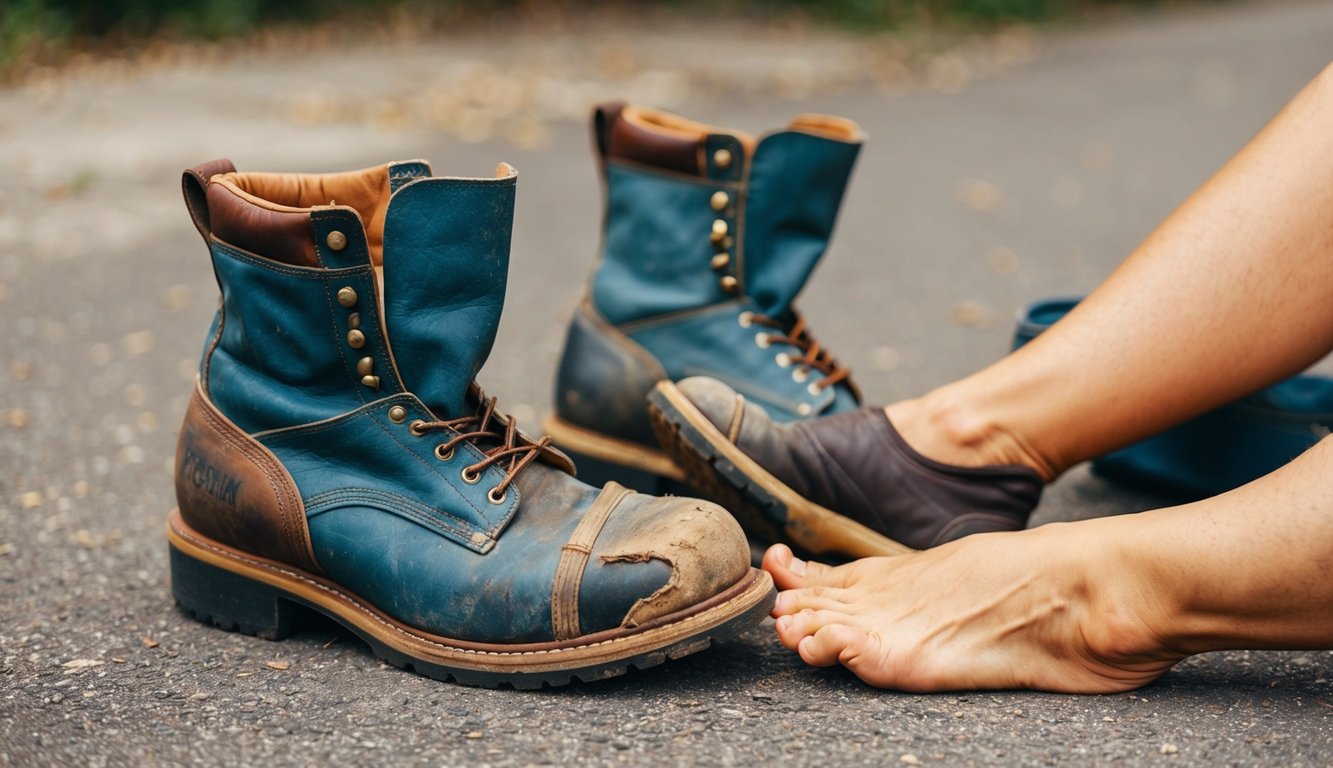
If you wear work boots all day, pain, discomfort, and even long-term health problems can creep up on you. The type, fit, and support of your boots really matter for how your feet feel by the end of your shift.
Blisters and Skin Irritation
Blisters are probably the most common issue with work boots. They pop up when your boots keep rubbing the same spot, creating friction. Sweat just makes it worse, leaving raw, painful areas on your feet or toes.
Work boots often use stiff or rough materials that barely breathe, so your feet get hot and sweaty. Tight or bad-fitting boots rub more, and that ramps up your risk of blisters and skin irritation. Sometimes you’ll see calluses or thick skin where your feet are just trying to protect themselves.
If you want fewer blisters, get boots that fit right and wear moisture-wicking socks. Try to keep your feet dry and check for irritation after work. These small habits can save you a lot of pain.
Foot Injuries and Strain
Work boots are supposed to keep your feet safe, but honestly, they can cause injuries if you don’t pick the right ones or break them in properly. Sprains, muscle strains, and even arthritis can show up if your boots don’t support you enough.
If the steel toe or hard materials dig into your toes, you might deal with corns, bruises, and pain—especially if you’re always on hard floors. Rigid boots or stiff soles can cause toe or metatarsal pain, and poor arch support stresses your muscles and joints, sometimes leading to chronic pain. If you move quickly at work or face slick surfaces, boots that don’t fit or grip well just make falls more likely.
Picking the right size and shape, and checking arch support, can help you dodge a lot of these problems. Adding work boot insoles or talking to a podiatrist about foot pain isn’t a bad idea either.
Swelling and Circulatory Issues
Tight work boots can make your feet swell up, especially after hours on your feet. Pressure from bad-fitting boots messes with blood flow, so you might end up with tingling, numbness, or throbbing by the time you get home.
Poor circulation in your feet and toes slows down healing and can bring on new issues like redness or cold feet. If you already have health problems like diabetes or arthritis, less blood flow can make things a lot worse.
Swelling usually comes from boots that are too narrow or tight up top. Sometimes, hot, cheap boot materials just make it worse. It helps to take breaks, loosen your boots if you can, and stretch your feet throughout the day. Swapping out old or busted boots regularly is also a smart move.
Environmental and Fit Factors Affecting Foot Health
Long shifts, rough ground, and certain hazards just keep piling on the stress your feet deal with. How your boots affect you really comes down to your daily routines, the surfaces you’re on, and whether your boots actually fit.
Standing for Long Hours
Spending hours on your feet really piles on the pressure fast. That constant weight can turn into pain, swelling, and sometimes even long-term foot problems like plantar fasciitis.
If your work boots don’t have enough support or cushioning, it just makes things worse. Stiff materials or boots with barely any give can force your feet into weird positions.
Eventually, you might see bunions, calluses, or even flat feet show up from all that repeated stress. Usually, discomfort likes to hang out in your heel and arch the most.
Footwear that’s either too tight or way too loose just adds to the strain and leaves you feeling even more tired. Finding boots that actually fit and support you can really help cut down soreness and other foot issues that come from standing all day at work.
Read more about work boots and foot discomfort.
Work Environment and Hazards
Your workplace heavily shapes what your feet go through daily. If you’re around heavy machinery, sharp tools, or stuff that could fall, you have to wear extra-protective boots—usually stiffer and heavier than normal.
Thick soles and steel toecaps can save your feet from injuries, but let’s be honest, they’re not exactly comfortable and often make it harder for your feet to move naturally. Hot or humid job sites can make your feet sweat buckets, leading to heat buildup and skin issues.
Debris everywhere? Even simple steps get harder when you need reinforced boots. When protective footwear fits poorly, you’re way more likely to get blisters, pressure sores, and other painful problems.
Problems like heat, heaviness, and lack of flexibility come up all the time in industrial settings.
Slippery Floors and Accident Risks
Oily, wet, or downright slick floors make slips and trips a real threat. Most places like that require shoes with slip-resistant soles, which help you keep your footing.
But here’s the catch: better grip sometimes means stiffer, heavier soles. Working on slippery surfaces often makes you change how you stand and walk, which can strain your muscles—especially if your boots don’t fit right.
Accidents are more likely if your boots have worn-out treads or just don’t feel steady. A good fit and solid non-slip features can lower your risk of falls and twisted ankles.
Poor traction is a leading cause of workplace accidents, so it’s worth getting boots designed for specific hazards.
Foot Care and Prevention Strategies
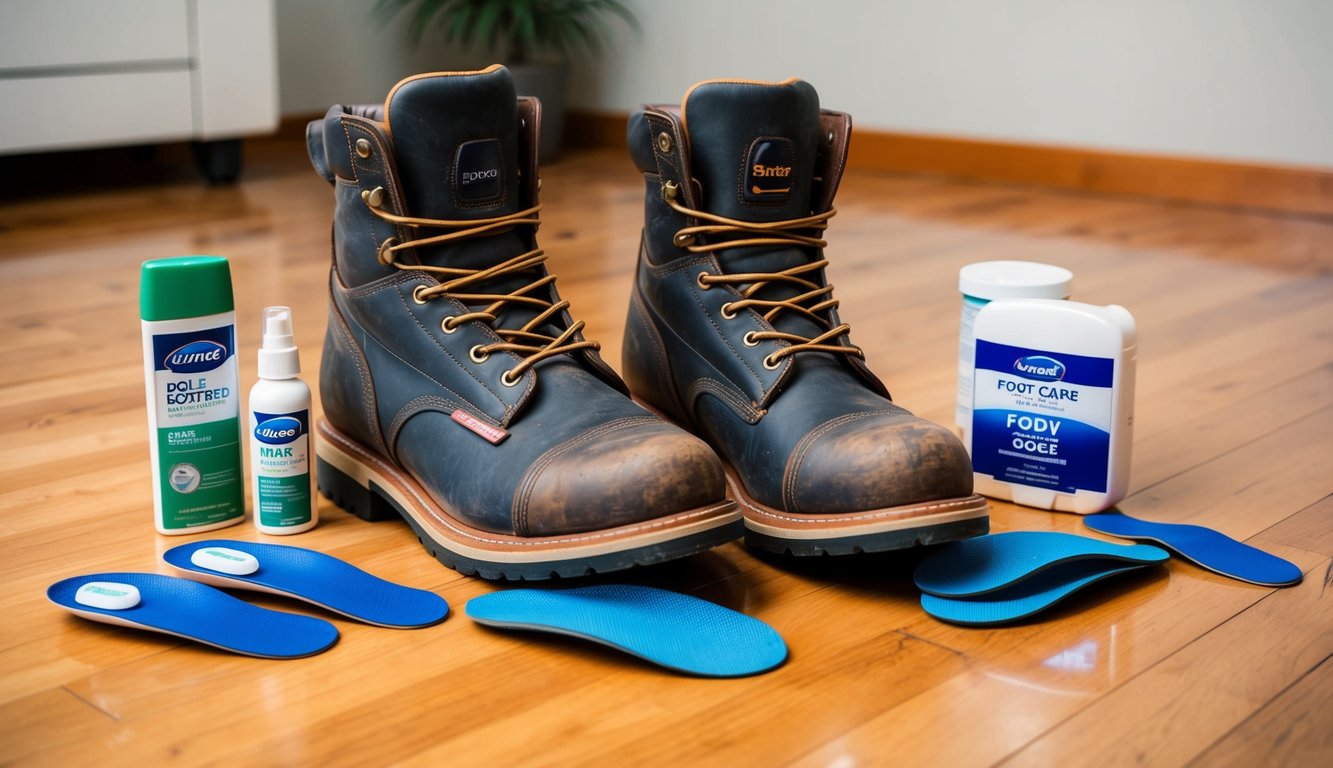
Wearing work boots all day can cause pain, sweaty feet, and a bigger risk of infections. Taking the right steps can really help keep your feet healthy and comfortable at work.
The Importance of Proper Insoles and Cushioning
Most work boots just don’t have enough cushioning, especially if you’re on hard floors all shift. Good insoles add support for your arches, heels, and the balls of your feet.
They soak up shock with every step and take strain off your joints and muscles. If you go for custom or high-quality insoles, you’ll also notice less foot shifting inside the boot, which means fewer blisters.
Make sure your insoles match the shape of your foot, and swap them out when they start to flatten or feel worn.
Quick Tips:
- Pick insoles that fit your foot type.
- Replace insoles every 6–12 months, or sooner if they’re looking sad.
- Gel or memory foam? They’re worth a try for extra comfort.
If your boots are too tight or too loose, your feet will pay for it. The right fit plus supportive insoles makes a big difference in staying on your feet longer and dodging injuries.
Boots that don’t fit right just lead to more stress and foot pain.
Foot Hygiene and Preventing Infections
All-day boots mean warm, sweaty feet—prime territory for fungal infections like athlete’s foot. Keeping your feet clean and dry is key for avoiding those problems.
Wash your feet every day, and definitely dry between your toes. Trim your nails straight across to dodge ingrown toenails.
Watch for early signs of infection: redness, peeling, itchiness. If you spot anything weird, deal with it right away so it doesn’t get worse.
Checklist:
- Wash feet daily with soap and warm water.
- Dry feet and toes completely before socks go on.
- Change into clean cotton socks every day.
- Treat any cuts, blisters, or broken skin fast.
Sticking to these habits helps you avoid fungal infections and keeps your skin in good shape during long shifts.
Socks, Foot Powder, and Moisture Control
Cotton socks soak up sweat and help prevent blisters. If you want to keep your feet dry, moisture-wicking synthetic socks are also a good bet.
Don’t bother with socks that are too tight or saggy—they just rub and cause sores. Foot powder can really help absorb extra moisture and keep odors down.
Using powder daily can also help fend off fungal infections.
To Keep Feet Dry:
- Fresh, dry socks every day—no exceptions.
- Sprinkle foot powder before socks go on.
- Bring a spare pair to work in case your feet get wet.
Managing moisture is honestly one of the best ways to avoid athlete’s foot and keep your feet happy.
Taking Short Breaks and Stretching
Standing or walking in work boots for hours makes your feet and legs stiff and sore, no way around it. Taking short breaks to kick your boots off or stretch a bit can really help.
Even a quick pause every hour or so lets your muscles relax and gets your blood moving again. Simple stretches—rolling your ankles, flexing your toes—can keep muscles from tightening up and help with foot pain.
Regular breaks also lower your risk of injury.
Stretch Routine Suggestions:
- Stand up and stretch your calves and toes.
- Sit and flex or point your feet a few times.
- Take your boots off during breaks if you can—let your feet breathe.
Adding these little habits to your day might just help you feel less sore and more comfortable when you’re stuck on your feet. If you need more ideas, check out this guide on workplace foot care.
Frequently Asked Questions
Wearing work boots for long hours can bring on foot pain, blisters, and heel aches. Picking the right fit, having solid support, and actually taking care of your feet every day can help you dodge bigger problems later.
What can be done to prevent sore feet from work boots?
To avoid soreness, double-check your boots fit well and give your toes enough space. Padded or moisture-wicking socks cut down on friction and sweating, so you’re less likely to get blisters.
Insoles with arch support can help too, especially if you’re on hard floors for hours.
Are there any long-term effects of wearing steel toe work boots daily?
Wearing steel toe boots every day can lead to chronic discomfort, especially if they’re too tight or don’t support your feet. Some people end up with ongoing pain in their toes, arches, or heels from the pressure and stiff toe caps.
Studies show that bad-fitting safety footwear can mess with your foot health long-term, causing calluses, numbness, or even changes in foot shape. Read more about the impact of safety footwear on workers.
How should work boots properly fit to avoid foot pain?
Your boots should leave about a finger’s width of space at the toe and fit snug around your heel to keep slipping in check. Laces should hold your foot secure—no pinching, though.
Make sure there’s enough width, and that the toecap isn’t rubbing your toes raw.
Can work boots cause heel pain, and how can this be alleviated?
Yeah, work boots can definitely cause heel pain if they’re missing cushioning or support. Try gel inserts or boots with shock-absorbing soles.
Stretch your feet daily and switch into supportive shoes after work if you can. If pain sticks around, it’s smart to see a doctor to rule out plantar fasciitis or something else.
What are the best work boots for reducing foot discomfort?
Look for boots with ergonomic design, soft linings, cushioned insoles, and solid arch support. Flexible soles and lighter materials help cut down on aches.
Breathable uppers also help keep your feet cool and less sweaty during those long shifts.
How can one protect their toes when wearing steel toe boots?
Pick boots that don’t squeeze the front of your foot. Always go for thick, comfortable socks—seriously, they make a big difference.
Check if the steel toe area has enough padding, and make sure your toes aren’t mashed up against the cap. If you notice pressure or pain by the end of the day, odds are the boots just aren’t the right size or shape for your feet.
Curious about what might be causing foot pain from steel toe boots? Take a look at this article on foot pain causes from steel toe boots.


Post Comment