Parking Lot Resurfacing for Industrial Facilities

Enhancing Safety and Durability in the Manufacturing Sector
Parking lot resurfacing is a crucial task for industrial facilities. It fixes cracks and potholes that can harm vehicles and pose safety risks. A smooth, well-maintained parking area also boosts your property’s curb appeal.
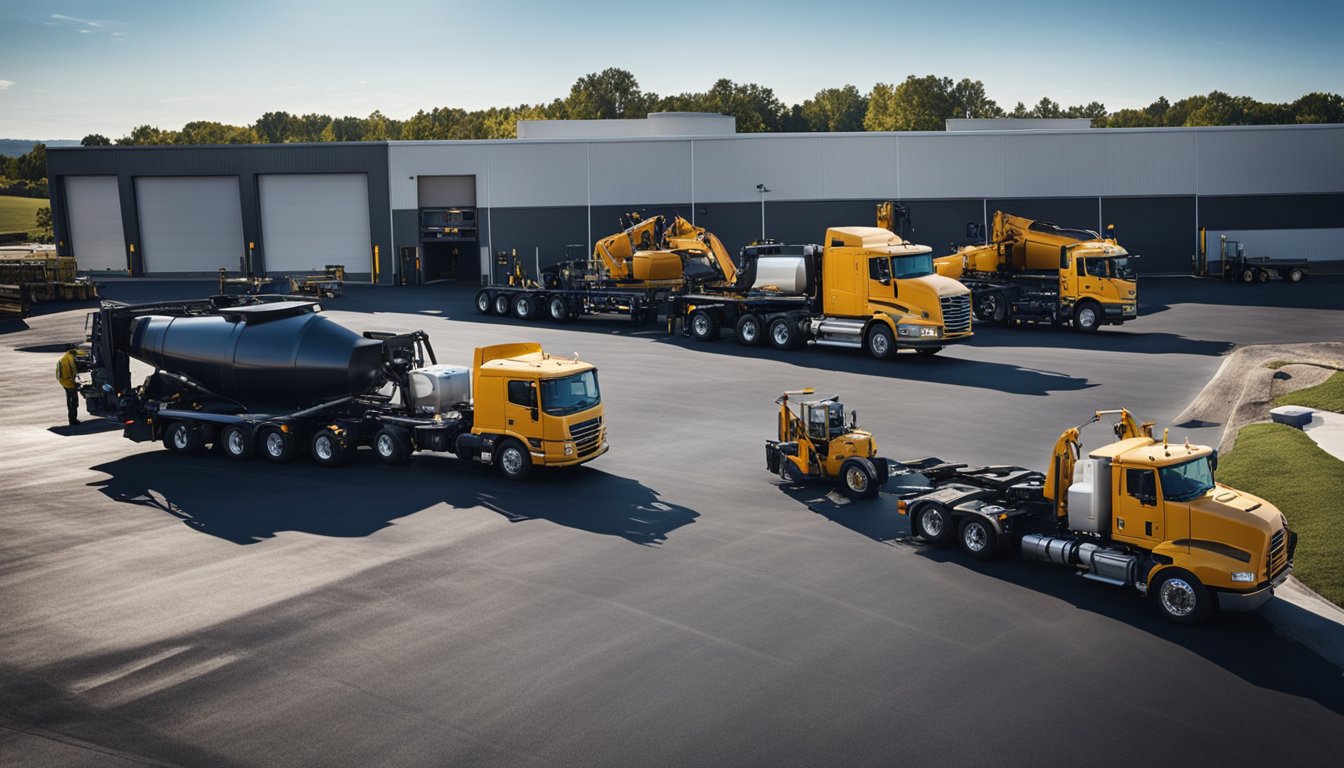
Resurfacing your industrial parking lot can save you money in the long run by preventing more expensive repairs later. This process involves adding a new layer of asphalt over the existing surface. It’s a cost-effective way to extend the life of your parking area without full replacement. Asphalt and pavement companies like UrbanMark Pavement Solutions in the Niagara Falls area can help with all aspects of the process, from design, planning, execution and line-striping/line painting.
You might wonder when it’s time to resurface. Look for signs like widespread cracking, fading, or areas where water pools after rain.
Regular upkeep can help you spot these issues early. By acting promptly, you can keep your industrial facility’s parking lot safe and looking its best for years to come.
Evaluating the Condition of Your Parking Lot
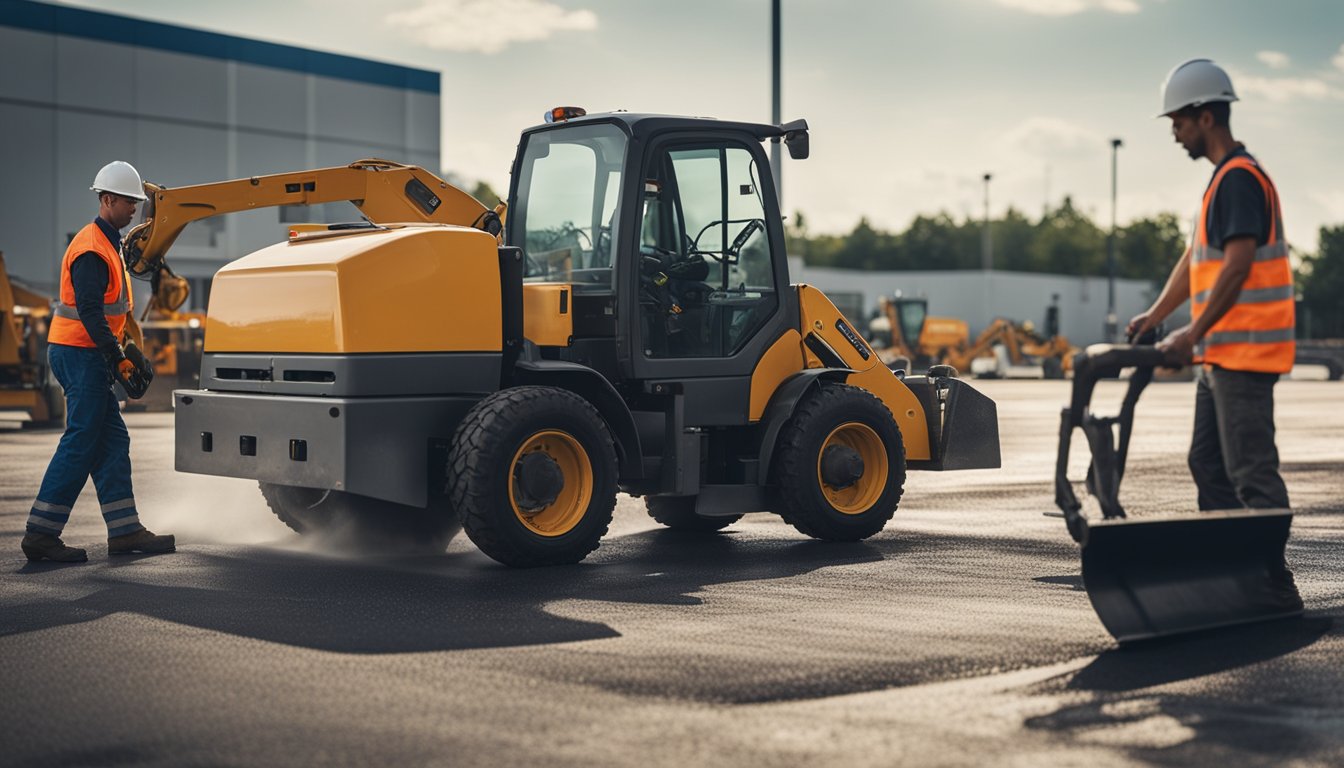
Regular assessment of your industrial facility’s parking lot is crucial for maintaining safety and functionality. Spotting issues early can help you plan repairs and avoid costly replacements.
Identifying Signs of Wear and Tear
Look for cracks and potholes in your parking lot surface. These are often the first signs of deterioration.
Check for faded lines, which can lead to confusion and safety hazards.
Pay attention to areas with pooling water, as this indicates drainage problems. Warping or distortion of the surface may point to underlying structural issues.
Examine the edges of your lot for crumbling or breakage. This can spread if not addressed promptly.
• Cracks wider than 1/4 inch
• Potholes of any size
• Faded or unclear parking lines
• Standing water after rain
• Uneven or bumpy surfaces
Assessing the Extent of Damage
Measure the depth and width of cracks to determine severity. Count the number of potholes and note their sizes. This helps in planning repairs or resurfacing.
Check how much of the lot’s surface shows signs of wear. If more than 30% is damaged, full resurfacing might be needed.
Evaluate your lot’s drainage by observing water flow during rain. Poor drainage can lead to rapid deterioration.
Consider the impact on traffic flow. If damage is causing vehicles to swerve or slow down, it’s time to act.
Use this checklist to grade your lot’s condition:
- Surface integrity: Good / Fair / Poor
- Line visibility: Clear / Faded / Very faded
- Drainage: Effective / Partially blocked / Poor
- Overall safety: High / Medium / Low
Resurfacing Solutions for Industrial Parking Lots
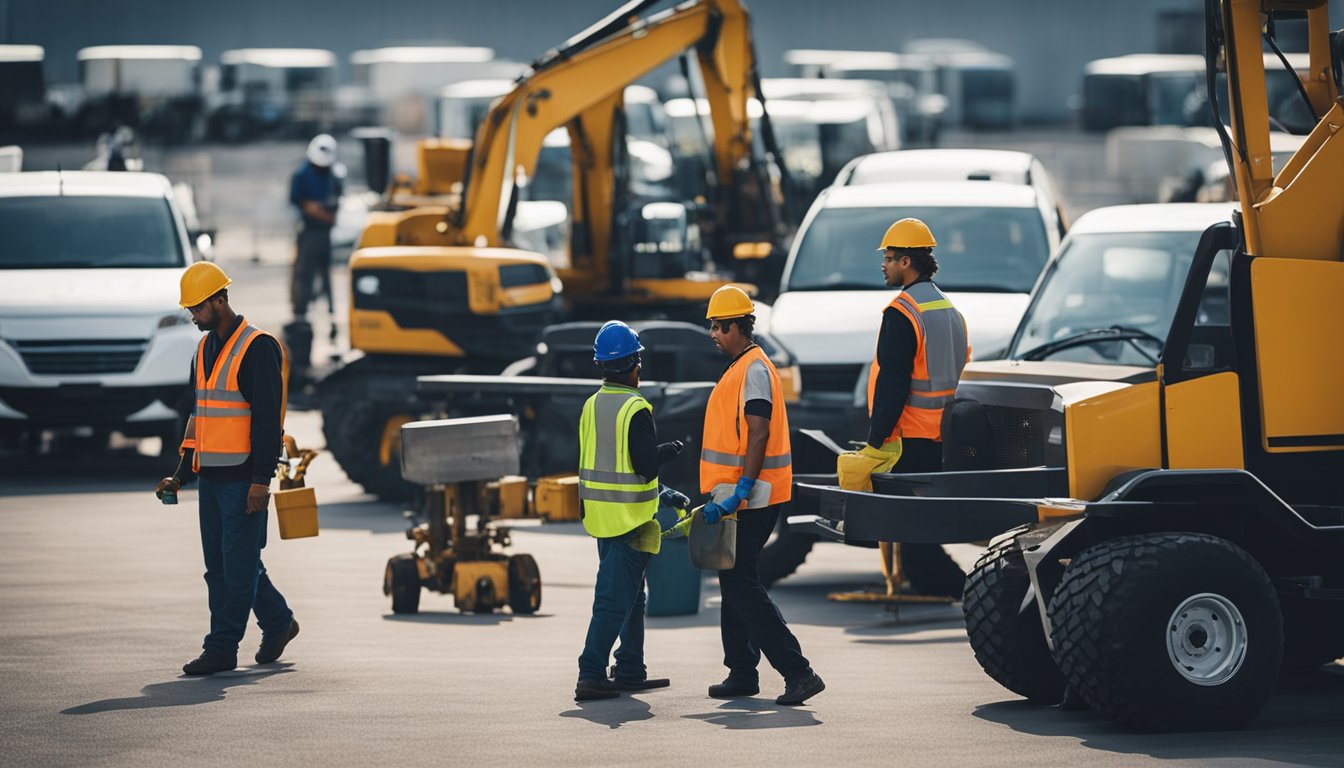
Industrial parking lots face heavy wear and tear. Proper resurfacing extends their lifespan and keeps them safe for vehicles and pedestrians.
Milling and Overlay Techniques
Milling and overlay is a popular resurfacing method for industrial parking lots. This process removes the top layer of damaged asphalt and replaces it with a new layer.
Here’s how it works:
- Milling machines grind off 1-2 inches of old asphalt
- The milled surface is cleaned and prepared
- A new asphalt layer is applied and compacted
This technique fixes surface issues while keeping the base intact. It’s faster and cheaper than full replacement. Milling and overlay can add 8-15 years to your parking lot’s life.
Sealcoating for Longevity
Sealcoating protects your parking lot from damage. It’s a thin, protective layer applied over existing asphalt.
Benefits of sealcoating:
- Blocks UV rays and chemicals
- Fills small cracks and holes
- Makes the surface look new
Apply sealcoat every 2-3 years for best results. It’s much cheaper than resurfacing and helps prevent major damage. Sealcoating can extend your parking lot’s life by up to 30%.
Full Replacement or Repaving
Sometimes, a complete overhaul is needed. Full replacement involves removing all existing asphalt and installing a new base and surface.
When to consider full replacement:
- Severe cracking or potholes
- Poor drainage
- Age over 20-25 years
While costly, full replacement gives you a brand-new parking lot. It fixes issues in the base layers and allows for redesign. A new parking lot can last 20-30 years with proper care.
Cost Analysis and Budget Planning
Planning for parking lot resurfacing costs helps industrial facilities make smart choices. You can save money and get better results by thinking ahead.
Cost-Effective Maintenance Strategies
Regular upkeep of your parking lot can save you money over time. Small fixes now prevent big problems later. You should plan to spend about 5-10% of your lot’s value each year on maintenance.
Sweeping is a cheap way to keep your lot clean. For a lot with 500 spaces, it costs about $83 per sweep.
Sealing cracks early stops water damage. This can cost $0.25 to $1 per linear foot.
Make a schedule for these tasks:
- Weekly sweeping
- Yearly crack sealing
- Re-striping every 2-3 years
Long-Term Financial Benefits
Resurfacing your parking lot is a smart investment. It costs between $0.90 to $2.00 per square foot. This might seem high, but it pays off.
A well-kept lot boosts your property value. It makes your business look good to customers and visitors.
You’ll avoid costly full replacements, which can cost 3-4 times more than resurfacing.
Your lot will last longer with proper care. This means you won’t have to spend as much on big repairs. Plus, a smooth lot is safer, which can lower your risk of accidents and lawsuits.
Improving Aesthetics and Functionality
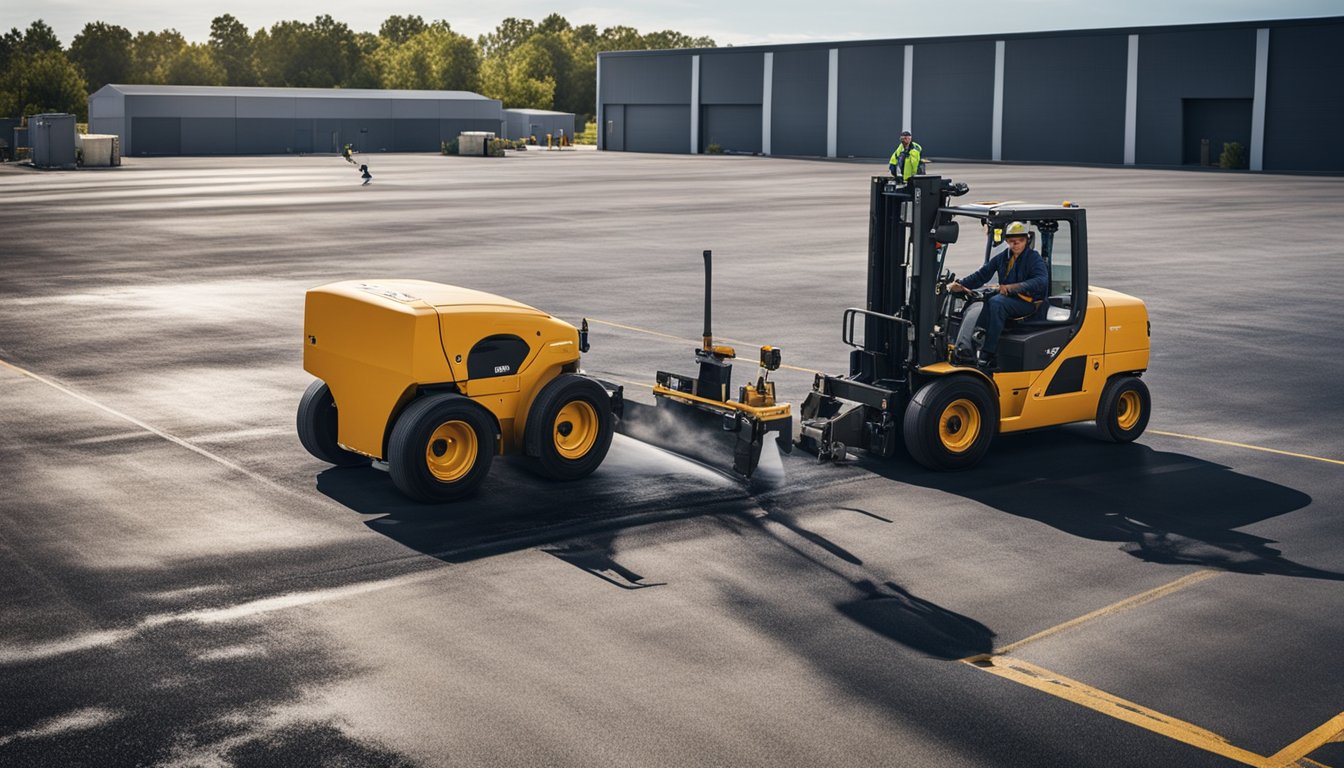
Parking lot resurfacing offers major benefits for industrial facilities. It enhances visual appeal while boosting safety and traffic flow.
Enhancing Curb Appeal and Property Value
A fresh asphalt surface dramatically improves a parking lot’s look.
Smooth, even pavement without cracks or potholes enhances the overall aesthetic appeal of your property.
This facelift can make a great first impression on visitors and clients.
Resurfacing erases years of wear and tear. It gives your lot a clean, polished appearance.
New, bright parking stripes add to the professional look.
This attention to detail shows you take pride in maintaining your facility.
An attractive parking area can boost your property value. It signals to potential buyers or tenants that the whole facility is well-cared for. This curb appeal may help your property stand out in a competitive market.
Safety Improvements and Traffic Management
Resurfacing makes your parking lot safer for vehicles and pedestrians. A smooth surface reduces tripping hazards and prevents damage to cars.
It also allows for clearer lane markings and signage.
New, bold parking stripes improve traffic flow. They make it easier for drivers to navigate the lot and park properly.
This can reduce accidents and congestion, especially during busy times.
You can add safety features during resurfacing. Speed bumps, stop signs, and pedestrian crossings enhance traffic control. Proper drainage prevents water pooling, cutting slip-and-fall risks in wet weather.
Better lighting can be installed along with resurfacing. This boosts security and visibility at night.
It makes your lot safer for employees working late shifts.


Post Comment